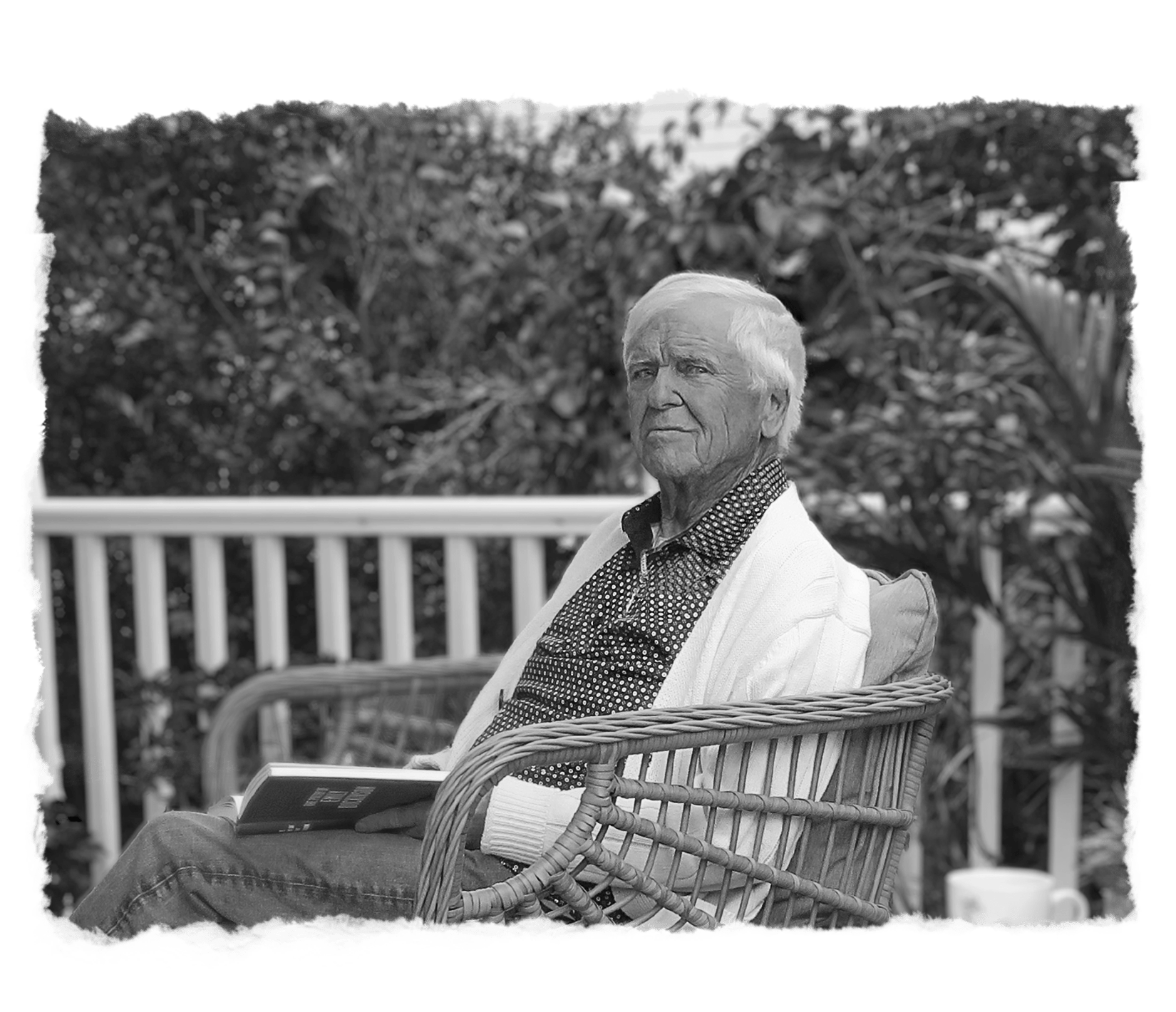
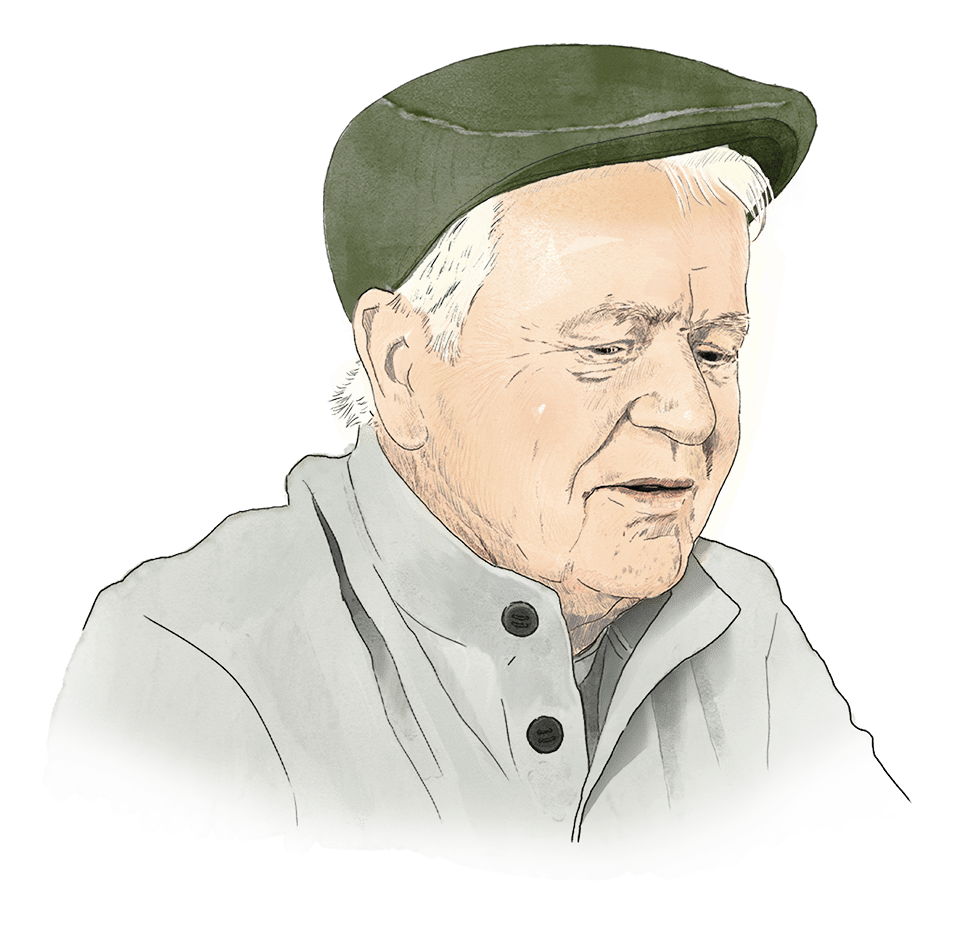
I grew up in Boston’s South End, back when the streets felt smaller and everyone knew your name. Over the years, I have watched this city evolve – from the civil rights movement to the waves of change that continue to shape it today. Losing my brother young and seeing my parents struggle taught me the weight of emotion, and poetry became my way of making sense of it all. My grandmother, a poet with shelves full of verse, gave me my first poetry book and shared her love for words, which soon became my own.
With barely any formal education, I took on odds-and-end jobs almost as soon as I could tie my own shoes, always hustling to make a buck, from shining shoes to working in a grocery store as a kid. Later, I drove a cab and worked as a butcher, scraping by and saving up until I was able to invest in real estate, achieving way beyond my upbringing on the south side of Boston’s streets. It was a hard life, but the only one I knew.

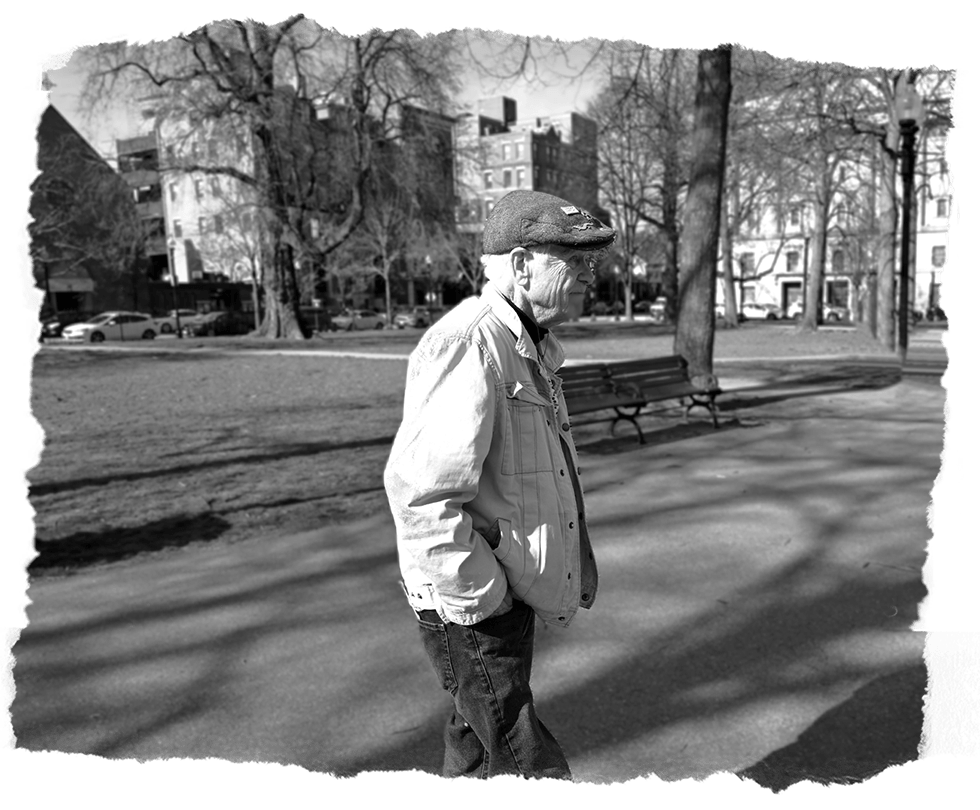
Driving a cab while going to school part-time was, in fact, the most meaningful experience I had during my youth. I would recite my poetry to my passengers while driving. They responded by communicating to me about their challenges, joys, and struggles in their lives. Everyone getting into my cab called me the poet. It was after I finished my formal education that I realized I learned more from driving my cab than from my schooling.
Several of my poems were published in magazines and newspapers while I was in my 30s. But it is now, while in my 70s, that my debut book, Acadia and Other Poems, has been published, featuring my words and the artwork of Felix Fu. For readers who want to explore love, friendship, nature, mortality and other subjects through the filter of my life struggles and the grit to overcome them, this book is for them.